

As we grow older, maintaining a focused mind becomes just as crucial as nurturing our physical health. Mental well-being is not only about stopping deterioration; it is about improving brain function, recollection, and general wellness over time. Research show that adopting simple routine habits, feeding our bodies with the healthy foods, and staying cognitively and socially active may considerably boost our mental health.
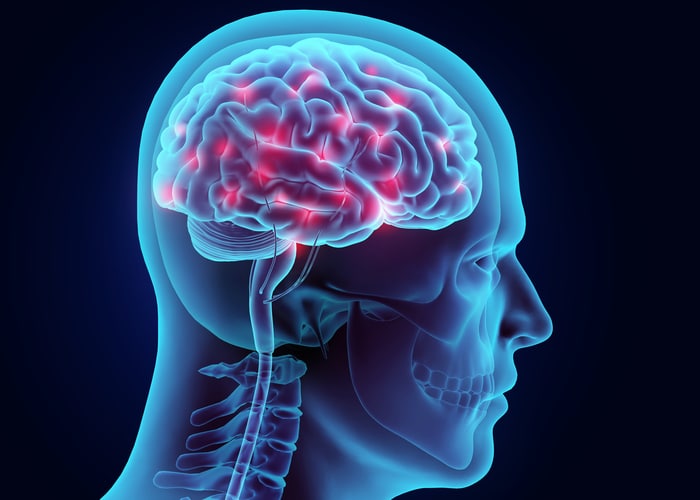
The journey to a better brain needn't be overwhelming. Through grasping the connection between daily habits and brain health, we are able to take preventive steps to safeguard our mental faculties in our later years. From the influence of exercise and sleep quality to the advantages of social engagement and creative expression, there are numerous approaches to explore. In this article, we will delve into various aspects of cognitive health and provide useful tips that will assist every individual, regardless of age, to develop a lively and resilient mind.
Everyday Practices for Cognitive Health
Integrating easy everyday habits can significantly enhance brain health and maintain mental sharpness as you age. One essential habit is maintaining a nutritious diet rich in vitamins and minerals. Foods such as tuna, strawberries, kale, and nuts are proven to support brain function and improve recall. Focusing on these foods helps provide essential Omega-3 fatty acids, antioxidants, and nutrients that are crucial for cognitive health.
Another helpful daily practice is involving in consistent physical activity. Physical activity not only promotes cardiovascular health but also increases blood flow to the brain, promoting the creation of new neural connections. navigate to this site for at least 150 minutes of moderate aerobic activity weekly, along with strength training exercises twice a seven days. This combination supports not just physical resilience but also improves mental acuity and overall wellbeing.
Finally, establishing a consistent sleep routine is crucial for cognitive health. Quality sleep allows the brain to heal itself, consolidate memories, and clear toxins. Aim for 7 to 9 hours of restful sleep every night, and try to stick to a consistent sleep schedule to improve sleep quality. Focusing on rest will lead to sharper thinking and boost your capacity to address daily challenges.
Nutrition and Brain Function
Good diet plays a crucial importance in maintaining brain well-being and enhancing cognitive function. Foods loaded in omega-3 fatty acids, antioxidants, and nutrients are notably important. Fatty fish, such as trout and sardines, provide crucial omega-3s that are crucial for brain health and performance. Meanwhile, fruits like blueberries and vegetables like spinach are packed with antioxidants that help reduce oxidative stress in the brain, potentially decrease the likelihood of cognitive decline as we age. Incorporating a variety of colorful fruits and vegetables into your diet can create a strong foundation for good brain health.
The research behind nutrition and brain function reveals a clear link between eating habits and mental function. Research suggests that a Mediterranean-style diet, which emphasizes whole grains, fruits, vegetables, and healthy fats, is associated with enhanced memory and overall brain function. Additionally, certain nutrients, such as nutrients B, D, and E, have been demonstrated to contribute to cognitive longevity. Understanding the science behind these nutrients allows individuals to make wise dietary choices that can have long-term effects on their brain health.
Hydration also plays a significant role in supporting best brain function. Even mild dehydration can lead to issues with concentration, memory, and cognitive performance. It is important to drink enough water daily to facilitate various metabolic processes in the brain. Combining hydration with a balanced diet not only boosts cognitive abilities but also sets the stage for a vibrant and healthy lifestyle. By focusing on nutrition and keeping hydrated, individuals can take major steps toward improving their brain health now and in the future.
Mental Health and Longevity
Preserving mental wellness is a essential component of successful aging and promoting longevity. Research consistently shows that a constructive outlook and psychological strength are closely linked to optimal mental functioning. Engaging in activities that promote happiness, such as practicing gratitude or being present with loved ones, can considerably enhance overall quality of life and cognitive performance. This emotional aspect of brain health is often overlooked, yet it plays a critical role in how well we age.
Cognitive decline can be mitigated through community engagement and a devotion to lifelong learning. Studies reveal that those who maintain an lively social interactions are happier as well but also show slower instances of cognitive impairment. Fostering social connections, whether through community involvement or simply connecting with friends and family, helps build a network of support that fosters mental agility and emotional support, vital for sustained cognitive well-being.
Additionally, integrating mindfulness practices, such as focused contemplation and physical postures, can significantly enhance mental clarity and focus. These practices not just lessen stress and anxiety but also promote neuroplasticity, the brain's ability to adapt and restructure itself. Incorporating a lifestyle that includes mindfulness and mental engagement encourages a vibrant mind, ultimately contributing to a healthier, longer life. Caring for mental health holistically is important for nurturing both the mind and body as we age, guaranteeing we remain flourishing throughout the years.